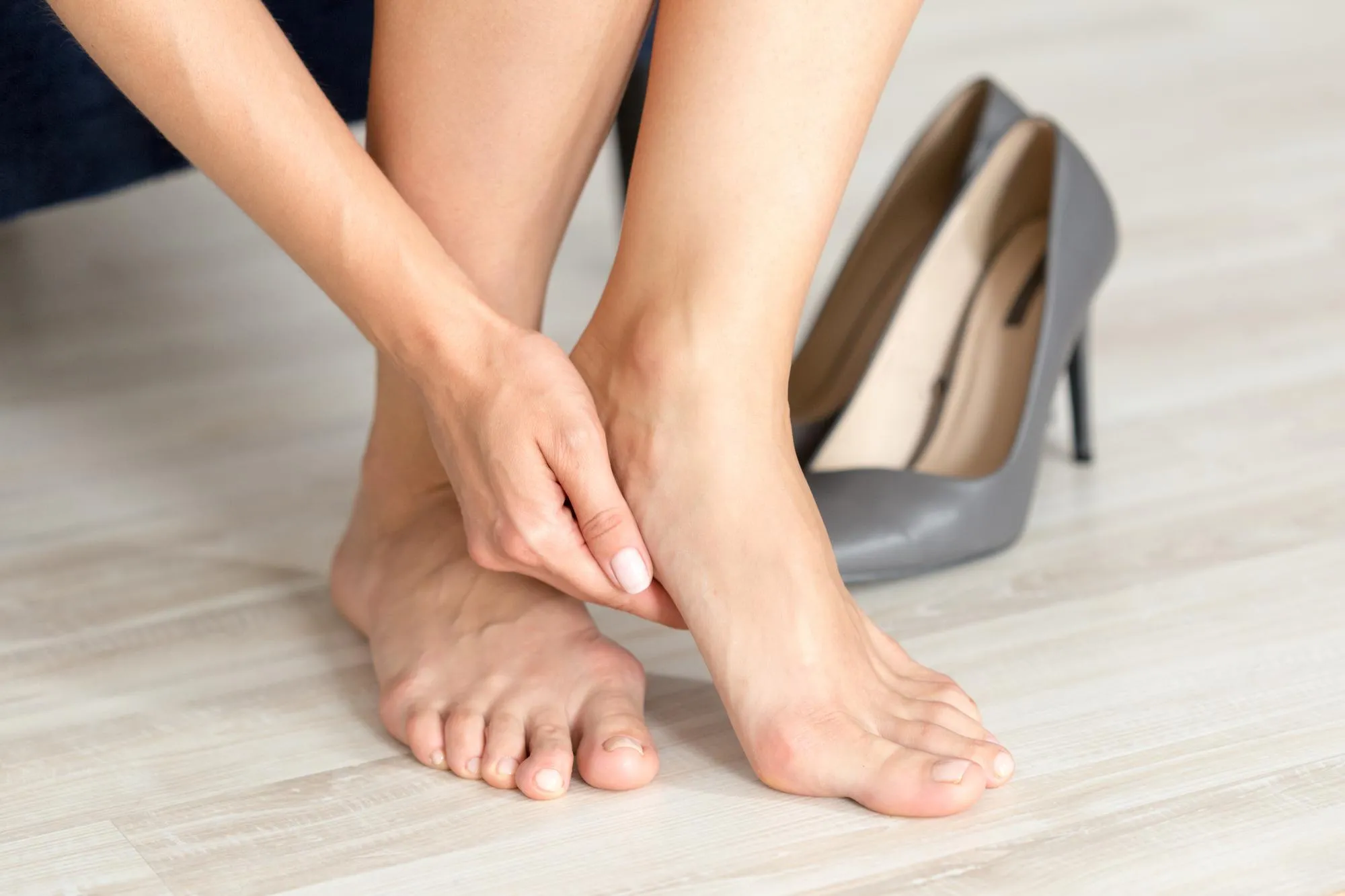


Waking up with a sharp, stabbing sensation in your foot can ruin your entire morning. If you find yourself limping toward the kitchen for your first cup of coffee, you are not alone. Finding effective heel pain treatment in Valrico is a top priority for many residents dealing with persistent discomfort. While it might feel like a simple bruise, heel pain is often a sign of an underlying mechanical issue in the foot that requires professional attention.
Understanding the Basics of Heel Discomfort
When we look at what causes heel pain in adults, the answer usually involves repetitive stress. Your feet carry your entire body weight every single day. Over time, the tissues that support your arch can become inflamed or damaged. This leads to nagging aches that make walking, running, or even standing still difficult.
Plantar Fasciitis: The Most Common Culprit
Plantar fasciitis is the leading cause of heel pain. The plantar fascia is a thick band of tissue that connects your heel bone to your toes. Its job is to support the arch of your foot and absorb shock when you walk. If you put too much strain on this tissue, small tears can develop.
Symptoms of Plantar Fasciitis
- Sharp pain with the first few steps in the morning.
- Increased pain after long periods of standing or sitting.
- Pain that feels worse after exercise rather than during it.
Heel Spurs: The Bone Growth Factor
A heel spur is a calcium deposit that causes a bony protrusion on the underside of the heel bone. While many people think the spur itself is what hurts, the pain is actually caused by the spur poking the soft tissues around it. Often, spurs develop as a response to long-term strain on muscles and ligaments.
Comparing the Two Conditions
| Feature | Plantar Fasciitis | Heel Spurs |
| Location | Arch and bottom of heel | Under the heel bone |
| Pain Type | Stabbing or burning | Sharp or dull ache |
| Cause | Tissue inflammation | Calcium buildup |
| Timing | Worst in the morning | Persistent during activity |
When searching for heel pain treatment near you, it is helpful to understand the differences between plantar fasciitis and heel spurs. While they are related, a podiatrist in Valrico can help determine which one is the primary source of your agony.
When to Seek Professional Help
If your foot pain does not improve with rest, ice, and stretching, it is time to consult a podiatrist near you. Ignoring the problem can lead to chronic issues that affect your knees, hips, and back because you will naturally change the way you walk to avoid the pain.
Common Professional Treatments
- Custom orthotic inserts to support the arch.
- Physical therapy exercises to stretch the calf muscles.
- Corticosteroid injections to reduce intense inflammation.
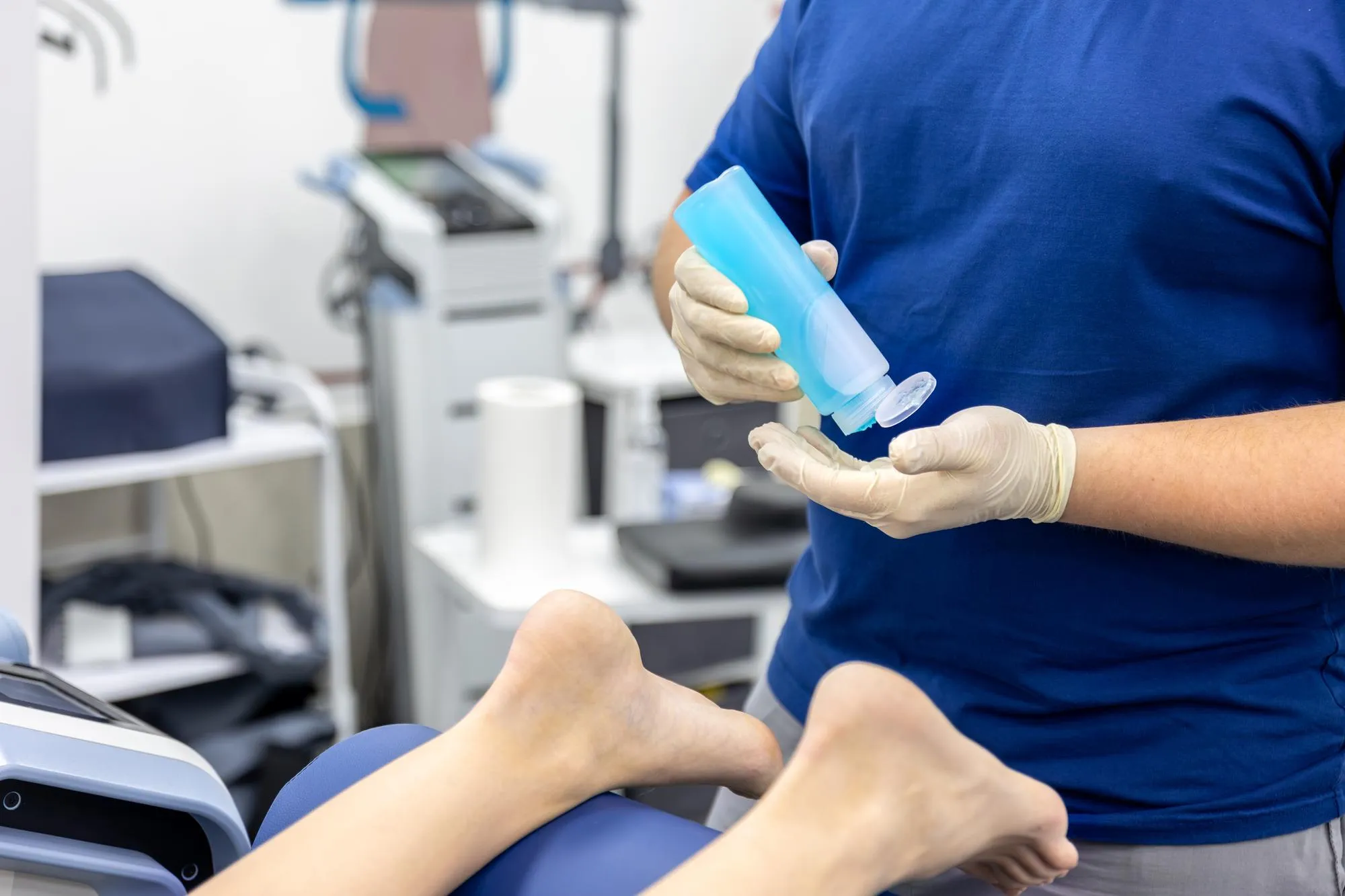
- Shockwave therapy for stubborn, chronic cases.
Steps to Manage Pain at Home
While waiting for your appointment, you can try these simple steps:
- Wear supportive shoes with good arch support.
- Avoid walking barefoot on hard surfaces.
- Apply ice to the heel for 15 minutes after a long day.
- Perform gentle toe and calf stretches before getting out of bed.
Conclusion
Living with foot pain limits your freedom and keeps you from the activities you love. Whether you are dealing with a fresh injury or a long-standing ache, getting the right diagnosis is the first step toward recovery. You do not have to suffer through every step. To get back on your feet comfortably, contact Hillsborough Foot & Ankle Specialist, LLC today to book an appointment.
Looking for heel pain treatment in Valrico? Learn the differences between plantar fasciitis and heel spurs, their symptoms, causes, and effective treatment options.
Frequently Asked Questions
What is the main cause of heel pain?
The main cause is usually plantar fasciitis, an inflammation of the thick tissue band that supports your foot’s natural arch.
How can I tell if I have plantar fasciitis or a heel spur?
Plantar fasciitis causes morning pain, while heel spurs are bony growths often seen on X-rays after long-term strain on the foot ligaments.
When should I see a podiatrist for heel pain?
See a professional if pain persists for over a week, prevents normal walking, or is accompanied by swelling and redness around the heel.
What treatments are available for chronic heel pain?
Healing options include personalized orthotics, stretching programs, physical therapy, night splints, and, sometimes, shockwave therapy or injections for lasting relief.
Can the wrong shoes cause heel spurs?
Yes, wearing flat, unsupportive shoes can put extra stress on the heel, which may eventually lead to calcium deposits.